
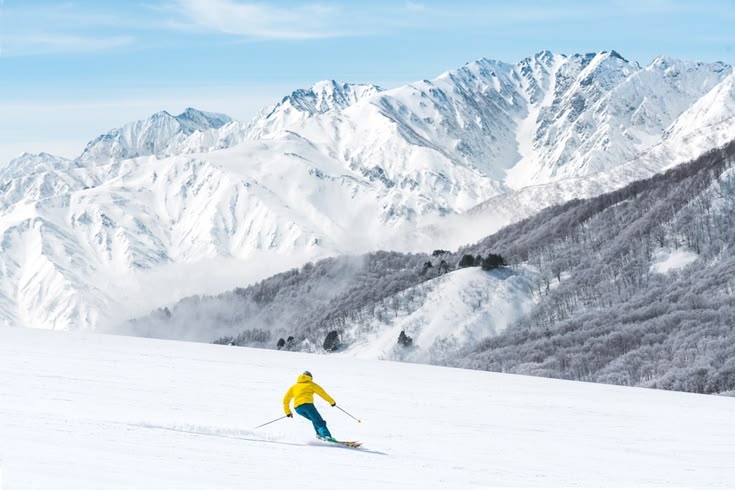
Planning a snow holiday to Japan this summer?
Summer in Mackay means long, humid days, and plenty of locals start dreaming of cold powder instead. Japan’s season runs from December to March, which suits a break over the Queensland school holidays, and resorts such as Hakuba and Niseko are popular for their dry powder, great food and onsens. A week of back-to-back ski days is a big jump for bodies that haven’t seen a slope all year, and that is when injuries tend to happen.
What should you do if you get hurt skiing or snowboarding in Japan?
One bad fall can turn a dream trip into a stressful one. Knee injuries are among the most common snow injuries, and being hurt far from home, with a language barrier and a long flight ahead, makes everything harder. We work with Peak Sports Physio Hakuba so our patients get good care on the mountain and a smooth handover when they return. Below we cover your first steps, the trip home, and what rehab looks like once you’re back in Mackay.
What should you do in the first 48 hours?
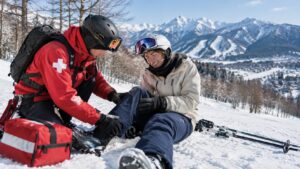
Try to be seen the same day, especially if the joint is swelling fast. Swelling and muscles tightening up to protect the joint make a knee hard to assess accurately, so an early review gives a clearer picture.
- Stop and call ski patrol. They can get you off the hill safely, so don’t try to ski down.
- See a clinician. Larger Japanese resorts have English-speaking physios and doctors on hand.
- Protect the joint. Rest it, elevate it and use gentle compression as advised. Crutches or bracing may be required depending on the injury.
- Write down what happened. Jot down when it happened, how you fell and what you felt.
- Collect your paperwork. Japanese clinics don’t automatically give you reports or scans, so ask for copies of both, in digital or paper form. The physios at Peak Sports Physio Hakuba can send a report straight to your email.
- Call your insurer early. Most travel insurers run an emergency line, and phoning early protects your claim and helps rebook transfers, accommodation or flights.
How do you get home safely after a ski injury?
Ask your treating physiotherapist or doctor for written documentation to support an insurance claim. After a leg injury, swelling and blood clot risk are the main concerns on the long flight home, so check you’re fit to fly before you book.
- Hold on to every receipt, report and scan for your claim.
- Ask your insurer early about changing the day of your flight or your seat.
- Your physiotherapist at Peak Sports Physio Hakuba can send your records to us, so our team starts with the full picture and can plan your rehab, or a referral to a local orthopaedic specialist.
When should rehab start, and what does it involve?
Rehab should start in Japan and carry on with us once you’re home. Key early rehab principles include:
- Settling swelling and inflammation with ice, a firm bandage or sleeve, and gentle physiotherapy treatment.
- Using crutches and bracing properly, to help you walk normally again and avoid developing poor movement habits.
- Exercises to get the knee bending and the muscles working again, to regain normal function as soon as possible.
If you tear your ACL (a key ligament that holds the knee steady), getting the early rehab right, even if you eventually have surgery, makes the later stages much easier.
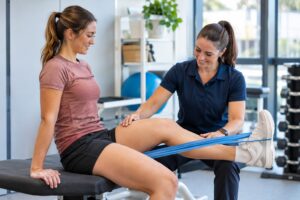
At Active Physiotherapy Mackay, our physiotherapists treat knee pain and sports injuries, including rehab after surgery, using strapping, retraining your muscles and walking and strength programs, with a rehabilitation gym on site. Our sports rehabilitation service builds a step-by-step plan to get you back to sport, around your balance, strength, flexibility and endurance.
Progress should follow testing, not the calendar. Many people who have knee surgery to rebuild the ligament need around nine to twelve months before returning to sport, and your surgeon and physiotherapist will guide your timeline.
How can you reduce your injury risk on the snow?
A few habits before and during your trip lower your chance of getting hurt.
- Build up early. From 6 to 12 weeks out, work on quad, hamstring, glute and calf strength, plus endurance, balance and fitness.
- Know your sport’s risks. Skiers tend to hurt their knees (the ligaments that hold the knee steady, or the cartilage cushion inside it), while snowboarders more often injure their wrists and shoulders, usually after landing on an outstretched hand.
- Sort your gear. Make sure skis or board and boots suit your height, weight and ability, and have bindings set by a professional.
- Wear protection. Everyone should wear a well-fitted snow-sports helmet, beginner snowboarders benefit from wrist guards, and padded shorts or knee pads can help. If you’ve had a knee injury, ask a physio before relying on a brace.
- Warm up. Take 5 to 10 minutes for squats, lunges, calf raises, leg swings and single-leg balance before the first run, and again after lunch or any long break.
- Recover between days. Eat, hydrate and sleep properly, keep moving gently, schedule a rest day on longer trips, and stop if you have significant pain, swelling or a joint that feels unstable.
Before you go, our physiotherapists can screen your strength, balance, flexibility and endurance through our injury prevention service, so you know where to focus.
Frequently asked questions
Should I have surgery in Japan or back home in Australia? The team at Peak Sports Physio Hakuba generally advise having surgery at home, unless the injury is unsafe to travel with. Your surgeon and physiotherapist can help you weigh it up.
Will my travel insurance cover treatment in Japan? Usually, yes. Most travel policies cover medical expenses in Japan, but some budget policies don’t, so read yours and contact your insurer as soon as you can.
Can I keep skiing for the rest of my trip? It depends. Some injuries can be managed with treatment, bracing or support, but others aren’t safe to ski through, so get it assessed before you ride again.
Do I need a referral to see you when I get home? No, you don’t need a referral. We recommend seeing a physio and your GP soon after you get home, and you can book online or call us on 07 4953 3557.
How long until I can ski again after knee surgery to rebuild my ACL? Many people need around nine to twelve months. Our physios use strength, balance, hopping and agility testing rather than the calendar to decide when you’re ready, and your surgeon guides the timeline.
About Peak Sports Physio Hakuba
Peak Sports Physio Hakuba is a snowsports injury clinic with two locations. Its central Happo clinic is inside the Hakuba Gateway Hotel, 150 m from the Nakiyama lifts, and its Norikura clinic is on the ground floor of The Butter Hotel, serving Tsugaike, Norikura and Cortina resorts. Patients can book online, walk in, or ask for a same-day appointment where possible. Complimentary pick-up and drop-off is available, and travel insurance is accepted.
Book online or follow Peak on Instagram at @peakphysiohakuba.